

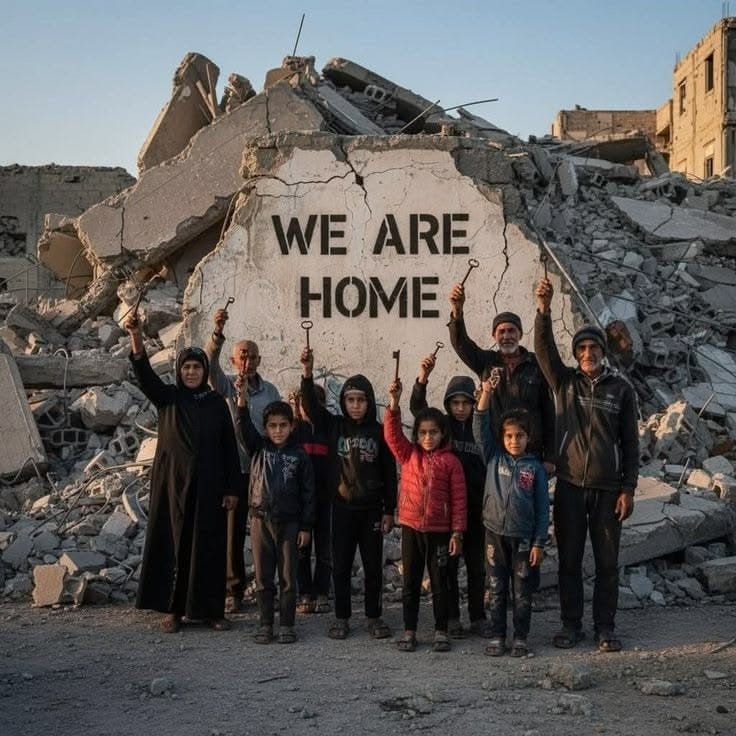
Gaza is not merely a transient geographical spot on the map; it is the most profound and incendiary concept in defining the human meaning of steadfastness. When Gaza is mentioned, one recalls that immense intersection between death swooping down without routine and life forced into existence from the threads of the impossible. It is the mirror of the world, displaying with sheer audacity and clarity how a city can stand alone on the edge of catastrophe, while the world remains a mere spectator counting the shards.
In Gaza, the bleeding is not confined to the flesh; it extends to touch the architecture of time and humanity’s relationship with place. The homes reduced to rubble were not just piled stones; they were vaults of memory, postponed histories, and simple dreams sketched on room walls before the airstrikes swallowed them. And when a person returns to the darkness of their room, burdened with a silence heavier than mountains, they find themselves besieged by the grand questions of existence: What does a human do when they discover the world is racing in a swift, frantic direction, while their own feet remain suspended in the middle of the ruin?
The harshest dilemma in this ongoing labor lies not merely in managing survival, but in that exorbitant psychological paradox: circumstances compelling you to be a space of safety for others, sowing reassurance in the hearts of the broken and gathering the scattered pieces of their confusion, while fear and sorrow consume you from within in absolute silence. It is reaching a stage where you become incapable of even weeping or explaining the simplest details of exhaustion, trapped in a long, bitter feud with a self whose features have morphed under the weight of utter cruelty.
When you look at the surrounding devastation, you realize that the phrases "legendary steadfastness" and "resistance" penned in news broadcasts do not do the reality justice, and perhaps hollow it out of its true agony. Describing what is happening as steadfastness may offer consolation to the world's coldness, but it conceals the details of pure human fragility behind it; we do not endure out of an overwhelming heroic desire, but are dragged into survival because other options have been shut off, and because the soul finds itself shackled to the biology of life that refuses to be extinguished despite the absurdity of the scene.
It is the barest and most desolate truth: standing your ground not because you are sufficiently strong, but because falling is a luxury unavailable to anyone who carries the weight of other souls upon their shoulders. In this internal exile, words lose their meaning, and Gaza transforms into a grand testing ground for humanity's capacity to endure the unendurable, where the entire story is distilled into that unanswered, dangling question: How can a person escape with their soul, whole, from a war that has left nothing untouched?